Home Loan Tax Benefits Guide for Sector 150 Noida Buyers 2026
Prices & RERA details verified against the UP RERA portal, July 2026.

For buyers considering an apartment in Sector 150 Noida, the home loan is not just a financing tool, it also unlocks income-tax deductions that reduce the effective cost of ownership. This guide explains the key deductions available in 2026 under Indian income-tax law, how they apply to an under-construction property, and the crucial difference in treatment under the Old and New Tax Regimes. The rules are set by the Income Tax Department of India; this guide summarises them in a buyer-friendly format, but individual circumstances vary, verify with a chartered accountant before filing.
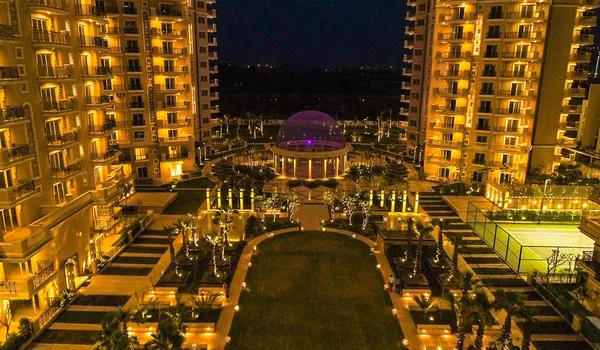
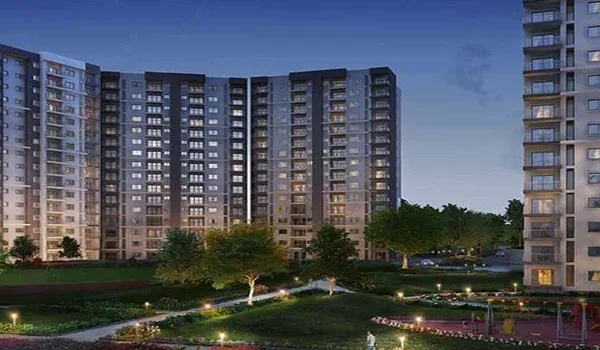
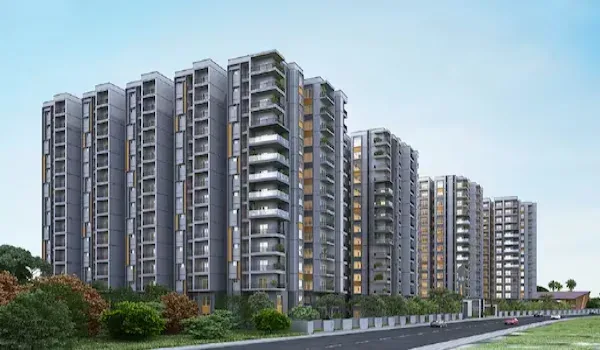
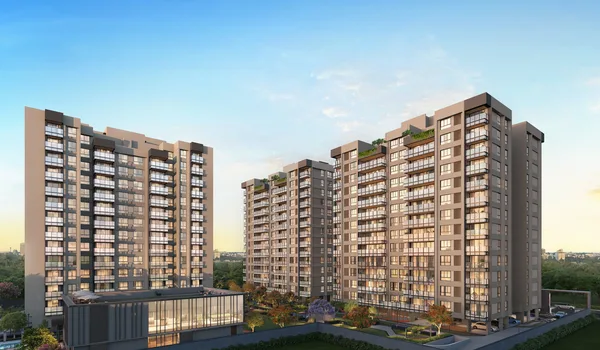
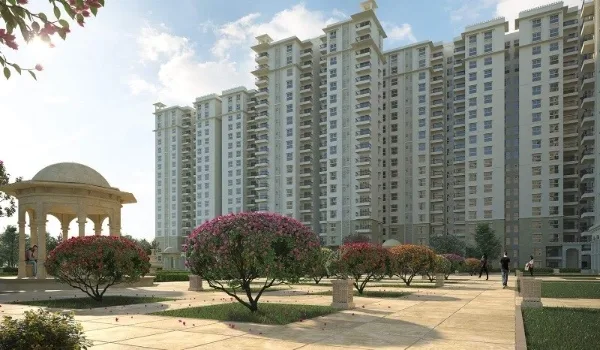
Prestige Bougainvillea Gardens, the pre-launch gated development by Prestige Group in Sector 150, is an under-construction project, which means the pre-construction interest treatment explained below applies directly to buyers who take a home loan at this stage. For a breakdown of loan eligibility, EMI calculation and bank options, see the Home Loan & EMI Guide.
Home Loan Tax Deductions, 2026 Summary
| Deduction | Section | Annual Limit | Regime |
|---|---|---|---|
| Interest on home loan (self-occupied property) | 24(b) | ₹2 lakh/year | Old Regime only |
| Interest on home loan (let-out property) | 24(b) | No upper cap | Both regimes |
| Principal repayment | 80C | ₹1.5 lakh aggregate | Old Regime only |
| Stamp duty & registration (year of payment) | 80C | Within ₹1.5 lakh cap | Old Regime only |
| Pre-construction interest (PCI) installment | 24(b) | Within ₹2 lakh cap | Old Regime only |
| Section 80EEA (additional interest for first-time buyers) | 80EEA | ₹1.5 lakh additional | Closed, not available for 2026 loans |
Tax rules as of FY 2026–27. Confirm current limits and regime rules with a chartered accountant before filing.
Section 24(b): The Interest Deduction
Section 24(b) of the Income Tax Act is the primary deduction for home loan borrowers. It covers the interest portion of your EMI (not the principal).
- Self-occupied property: The maximum deduction is ₹2 lakh per financial year. If your annual interest exceeds ₹2 lakh (which it will for most Sector 150 loans), the cap applies and the excess is not deductible for self-occupied homes.
- Let-out property: There is no upper cap on the interest deduction for a let-out property. The full interest paid is deductible against rental income. If the interest exceeds the rental income and creates a loss from house property, that loss can be set off against other income up to ₹2 lakh per year; the remaining loss is carried forward for eight financial years.
- Under-construction period: No Section 24(b) deduction is available while the property is under construction. The treatment of interest paid during this period is covered under pre-construction interest rules below.
- New Tax Regime: Section 24(b) for a self-occupied property is not available under the New Tax Regime. However, 24(b) for a let-out property is available under both regimes, making rental investors less affected by the regime switch.
Section 80C: Principal Repayment and Stamp Duty
Section 80C allows deduction of the principal portion of your home loan EMI, subject to the aggregate ₹1.5 lakh annual cap across all eligible 80C instruments. Key points:
- Principal repayment: Each EMI is split between interest and principal. Only the principal portion qualifies under 80C. The interest portion is claimed under Section 24(b). Your bank or housing finance company issues a home loan interest certificate every April showing the split, use this when filing your return.
- Stamp duty and registration charges: The stamp duty and property registration charges paid in the year of purchase also qualify for 80C deduction, within the same ₹1.5 lakh cap. This is a one-time benefit in the financial year you pay these charges (typically at or around possession for an under-construction property).
- Shared cap: The ₹1.5 lakh 80C limit is shared across all 80C investments in a year: PPF contributions, ELSS mutual funds, life insurance premiums, children's school tuition fees, NSC, etc. If you already use most of the 80C limit from other investments, only the residual space benefits from home loan principal repayment.
- Under the New Tax Regime: Section 80C deductions are not available. If you opt into the New Regime, neither principal repayment nor stamp duty charges generate a tax deduction.
Pre-Construction Interest: How It Works for Under-Construction Buyers
This section is particularly relevant for buyers of Prestige Bougainvillea Gardens and other under-construction Sector 150 projects where possession is expected in December 2030 or later.
When a bank disburses a home loan for an under-construction property, it typically disburses in tranches as construction milestones are reached. Interest is charged on each disbursed amount from the date of disbursement. The total interest accumulated from the first disbursement until the date of possession is called pre-construction interest (PCI).
Under Section 24(b) of the Income Tax Act:
- PCI cannot be claimed as a deduction in the year it is paid during the construction phase.
- After possession (and receipt of the Occupancy Certificate), the total PCI is divided into five equal installments.
- These five installments are then deducted over five successive financial years, starting from the year of possession, subject to the ₹2 lakh annual cap for self-occupied properties.
Example: If the loan is disbursed in stages from 2026 and possession is received in December 2030, and the total PCI accumulated over those approximately 4.5 years is ₹8 lakh, the annual PCI installment would be ₹1.6 lakh (₹8 lakh ÷ 5). In each of the five years post-possession, ₹1.6 lakh of the ₹2 lakh Section 24(b) cap would be used for PCI, leaving only ₹40,000 of cap space for that year's regular interest. Budget for this interaction carefully with your tax advisor, both the PCI installment and the current-year interest compete for the same ₹2 lakh annual ceiling.
Joint Home Loan: Doubling the Deduction
Taking the home loan jointly with a spouse or family member who is also a co-owner of the property is one of the most effective ways to increase the total household tax benefit.
- Each co-borrower claims independently: If both co-borrowers are co-owners and both pay their share of EMI, each can claim up to ₹2 lakh under Section 24(b) and up to ₹1.5 lakh under Section 80C from their own income. The combined household saving can be up to ₹3.5 lakh per year in deductions (₹4 lakh on interest + ₹3 lakh on principal, each within individual limits).
- Both must be co-owners and co-borrowers: The tax deduction requires the claimant to be both a co-owner in the sale deed and a co-borrower on the loan. A co-borrower who is not a co-owner, or a co-owner who is not a co-borrower, cannot claim the deduction.
- Pay from separate accounts: For audit-proof documentation, each co-borrower should pay their agreed share of EMI from their individual bank account, not pooled from a single joint account. Keep the bank statements showing the repayments.
- Ownership ratio matters: The deduction claimed by each person should correspond to their ownership share in the property. A 50:50 ownership split with equal EMI contribution is the simplest approach. A 60:40 or other split is valid as long as the sale deed and loan documents reflect it consistently.
- Most effective for dual-income households under the Old Regime: The tax saving from a joint loan is greatest when both co-borrowers have taxable income at 30% slab rates. If one co-borrower has little or no taxable income, there is less tax saving on that person's share of deductions.
Section 80EEA: Why New Buyers in 2026 Cannot Use It
Section 80EEA was introduced in Budget 2019 to incentivise first-time home buyers in the affordable housing segment. It offered an additional ₹1.5 lakh deduction on home loan interest, over and above the ₹2 lakh under Section 24(b), subject to conditions:
- The buyer must be a first-time home buyer (not owned a residential house on the date of loan sanction).
- The loan must be sanctioned between 1 April 2019 and 31 March 2022 (this window was extended annually but finally not renewed beyond 31 March 2022 in Union Budget 2023 and 2024).
- The stamp duty value of the property must be ₹45 lakh or less.
For Sector 150 Noida buyers in 2026, 80EEA is unavailable for two independent reasons: (1) new loans in 2026 are outside the closed sanction window; (2) Sector 150 apartments are typically priced above ₹45 lakh in stamp duty value. Do not include 80EEA in your tax planning for a Sector 150 purchase.
Old Tax Regime vs New Tax Regime: The Critical Choice
From FY 2024-25, the New Tax Regime became the default regime in India. Understanding the difference is essential for home loan tax planning:
| Feature | Old Tax Regime | New Tax Regime (default) |
|---|---|---|
| Tax slabs | Higher base rates | Lower base rates |
| Section 80C deduction | Yes (₹1.5 lakh cap) | No |
| Section 24(b), self-occupied | Yes (₹2 lakh cap) | No |
| Section 24(b), let-out | Yes (no cap) | Yes (no cap) |
| HRA exemption | Yes | No |
| Standard deduction (salary) | ₹50,000 | ₹75,000 |
| NPS employer contribution (80CCD(2)) | Yes | Yes |
For most buyers with a large self-occupied home loan (₹50 lakh and above), the Old Tax Regime generates more tax saving from the combined 80C + 24(b) deductions despite its higher base slab rates, particularly at income levels above ₹15 lakh per year where the gap in slab rates is meaningful. However, if you have a modest loan or already exhaust your 80C limit from other investments, the New Regime's lower slabs may produce a better net outcome.
This choice is not permanent, salaried individuals can switch between regimes every year (self-employed taxpayers have more restricted switching rules). Run a year-by-year comparison with your chartered accountant, particularly in the first year after possession when stamp duty/registration deductions, PCI installments and regular interest all potentially compete in the same return.
Prestige Bougainvillea Gardens, Tax Context for Buyers
Prestige Bougainvillea Gardens is a pre-launch gated development in Sector 150 by Prestige Group, with approximately 1,150 apartments across 12 towers on a 15-acre campus with about 80% open space and a 50,000 sq ft clubhouse. Indicative pricing is approximately ₹94.25 lakh for a 1 BHK, ₹1.45 crore for a 2 BHK and ₹2.10 crore for a 3 BHK at roughly ₹14,500 per sq ft. Its UP-RERA registration is at the applied stage, confirm the issued number on the portal before committing or disbursing any loan amount.
Tax implications specific to this project:
- Under-construction: PCI treatment applies from first disbursement to possession (anticipated around December 2030).
- Stamp duty value will be above ₹45 lakh for all configurations; Section 80EEA does not apply.
- Stamp duty in Uttar Pradesh is 7% for male buyers, 6% for female buyers, plus 1% registration charge, this one-time outflow qualifies under 80C in the year of payment (typically near possession). See the Stamp Duty & Registration Charges guide for the full breakdown.
- For joint purchasers: ensure both co-buyers are listed as co-borrowers in the home loan agreement from the outset, adding a co-borrower later can be complex. Confirm with the bank and your conveyancing lawyer at the BBA stage.
To review the current price list and floor plan options, visit the price page or request the project brochure from the developer.
Frequently Asked Questions
1. What is the maximum tax deduction on home loan interest in India in 2026?
For a self-occupied property under the Old Tax Regime, the maximum deduction on home loan interest under Section 24(b) is ₹2 lakh per financial year. For a let-out property there is no upper cap, the full interest paid is deductible (though set-off of house property loss against other income is capped at ₹2 lakh per year). These deductions are not available for self-occupied property under the New Tax Regime.
2. Can I claim Section 80C for home loan principal repayment in 2026?
Yes, under the Old Tax Regime, the principal portion of your EMI qualifies for deduction under Section 80C within the aggregate ₹1.5 lakh annual cap. Stamp duty and registration charges paid in the year of purchase also qualify under 80C within the same limit. Under the New Tax Regime, Section 80C deductions are not available.
3. How does pre-construction interest work for under-construction properties?
Interest paid during the construction phase (before possession) is called pre-construction interest (PCI). It cannot be deducted year by year during construction. After possession, the total PCI is split into five equal installments and deducted over five years, subject to the ₹2 lakh annual cap under Section 24(b) for self-occupied properties. Both the PCI installment and the current year's regular interest compete within the same ₹2 lakh ceiling.
4. What are the tax benefits of a joint home loan in 2026?
When two co-owners are also co-borrowers, each can independently claim up to ₹2 lakh under Section 24(b) and up to ₹1.5 lakh under Section 80C from their own income under the Old Regime. For maximum benefit: both should be co-owners in the sale deed, co-borrowers on the loan, and pay their share of EMI from separate individual bank accounts. The benefit is greatest when both earn at higher income slab rates.
5. Is Section 80EEA available for new home loan borrowers in 2026?
No. The 80EEA loan sanction window closed on 31 March 2022 and was not extended in Budget 2024 or 2025. New loans in 2026 do not qualify. Sector 150 Noida apartments also exceed the ₹45 lakh stamp duty value threshold required under 80EEA, so Sector 150 buyers are excluded on both the timing and the value criteria. Do not factor 80EEA into your tax planning for a Sector 150 purchase.
6. Should I choose the Old or New Tax Regime if I have a home loan?
For most buyers with a large home loan (₹50 lakh and above) on a self-occupied property, the Old Tax Regime typically delivers better net tax savings through the combined 80C and 24(b) deductions, especially at income levels above ₹15 lakh. However, this depends on your total income, other 80C usage and whether the property will be self-occupied or let out. Run a year-by-year comparison with a chartered accountant before filing, you can switch regimes annually as a salaried employee.
Prestige Bougainvillea Gardens Blog