NRI Guide to Buying Apartments in Sector 150 Noida 2026
Prices & RERA details verified against the UP RERA portal, June 2026.

Buying a home in India from abroad is simpler than most NRIs expect, but the rules — FEMA eligibility, banking channels, taxes and repatriation — are where deals slow down. This guide walks an NRI through buying an apartment in Sector 150 Noida in 2026, step by step and in plain terms, so you know exactly what is allowed and what to arrange.
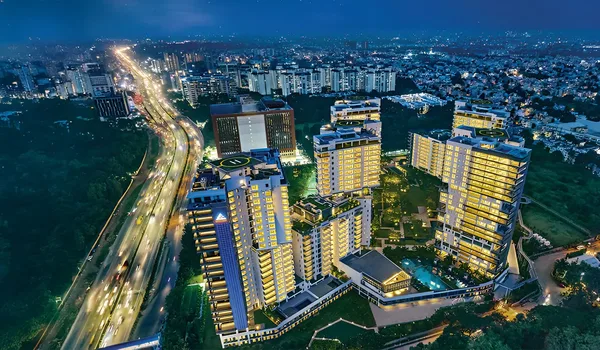
Sector 150 is a strong fit for overseas buyers: a low-density, master-planned sector on the Noida Expressway with the metro and the Jewar airport driving appreciation. We use verified 2026 figures throughout, including a RERA-framework project like Prestige Bougainvillea Gardens. This is general guidance, not tax advice — confirm your own case with a chartered accountant.
NRI Property Buying in Sector 150 Noida — Snapshot
| Aspect | Rule for NRIs — 2026 |
|---|---|
| Can an NRI buy? | Yes — residential & commercial (not agricultural land, farmhouse or plantation) |
| Governing law | FEMA, administered by the RBI |
| Payment route | NRE / NRO / FCNR account, via banking channels (no cash) |
| Home loan | Available from Indian banks / HFCs, up to 75% – 80% of value |
| Core documents | Passport / OCI or PIO, PAN, address proof, photos; POA if remote |
| Stamp duty & registration | Same as residents — 7% (6% for a woman) + 1% |
| TDS on purchase | 1% if buying from a resident above ₹50 L; higher if the seller is an NRI |
| Repatriation | Allowed within RBI limits (up to USD 1 mn/yr from NRO) |
Rules indicative, as of June 2026 — confirm the current FEMA and tax position with your bank and a chartered accountant.
Can an NRI Buy Property in Sector 150 Noida?
Yes. Under FEMA, an NRI or an OCI cardholder can freely buy residential and commercial property in India without any special approval from the RBI. The only carve-out is agricultural land, farmhouses and plantation property, which NRIs cannot purchase. A regular apartment in Sector 150 sits squarely within what is permitted, and there is no cap on how many residential units an NRI may own.
Because the rules are the same across NCR, the location decision comes down to the asset. A RERA-registered project on the Noida Expressway gives a remote buyer the transparency and legal clarity that make an overseas purchase low-risk.
How NRIs Pay — Banking Channels
Every payment must flow through formal banking channels; cash and traveller's cheques are not allowed. In practice you fund the purchase from one of three account types:
- NRE account: holds foreign earnings in rupees, freely repatriable — the cleanest route if you plan to take proceeds back out later.
- NRO account: holds India-sourced income; usable for purchase, with repatriation capped at USD 1 million per financial year.
- FCNR account: holds funds in foreign currency and can be used to remit the payment.
Whichever you use, keep the remittance records — they are what support your title and any future repatriation claim.
Home Loans for NRIs
NRIs do not have to bring the full amount from abroad. Indian banks and housing finance companies offer NRI home loans, typically funding up to 75% to 80% of the property value, with the EMIs repaid from an NRE or NRO account. On a ₹1.45 crore 2 BHK that is a loan of about ₹1.16 crore, leaving roughly ₹29 lakh plus costs as the down payment.
Eligibility rests on your overseas income, employment stability and credit profile, and tenures are often a little shorter than for resident buyers. Rates and paperwork vary by lender, so compare a couple before you commit and confirm the live terms directly.
Taxes, TDS and Stamp Duty
The transaction costs are largely the same as for a resident, with one NRI-specific wrinkle on TDS:
- Stamp duty: 7% of value in Noida, or 6% if the flat is registered in a woman's name.
- Registration: 1% of value.
- GST: 5% on an under-construction home, with none on a ready or resale property once possession is given.
- TDS: 1% when you buy from a resident seller above ₹50 lakh; buying from an NRI seller attracts a higher TDS, so the deducting responsibility shifts to you as buyer — get a CA to compute it.
These are governed by the same UP RERA and state norms that apply to every buyer in the sector, so there are no hidden NRI-only levies beyond the TDS treatment.
Buying Remotely and Repatriating Later
You do not need to fly in to complete the deal. An NRI can appoint a trusted family member or associate as Power of Attorney, registered and specific to the transaction, to sign and register the sale deed on their behalf. Pair the POA with a valid passport, OCI or PIO proof and a PAN card, and the purchase can close while you stay overseas.
On exit, sale proceeds of residential property bought with foreign funds can be repatriated for up to two such properties, and NRO balances up to USD 1 million per financial year — subject to taxes and paperwork. This is exactly why the clean NRE-funded, well-documented purchase pays off years later.
Why Sector 150 Works for NRI Buyers
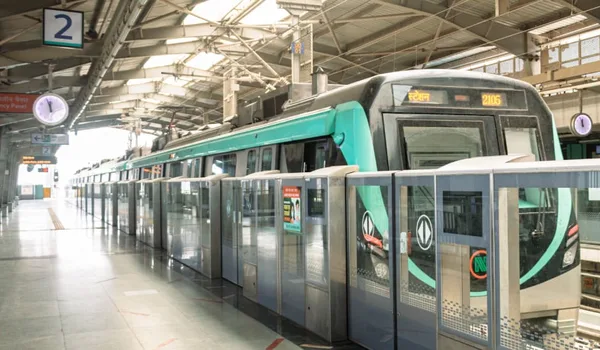
For an overseas buyer, the appeal of Sector 150 is a combination of growth and governance. Rates on the Noida Expressway have grown about 10% to 14% year on year with rental yields of 3.5% to 4.2%, and the Aqua Line metro at Sector 148 plus the upcoming Jewar airport add a further appreciation runway to 2030. A branded, RERA-framework project reduces the risk of buying something you cannot inspect in person.
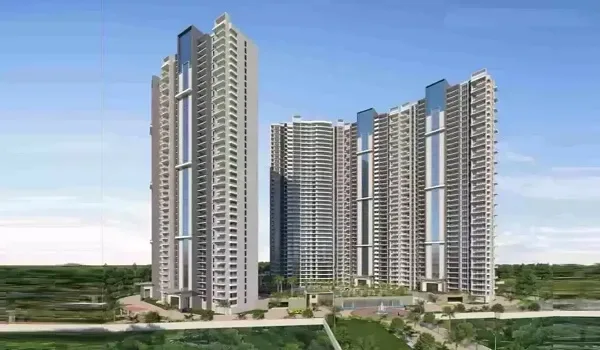
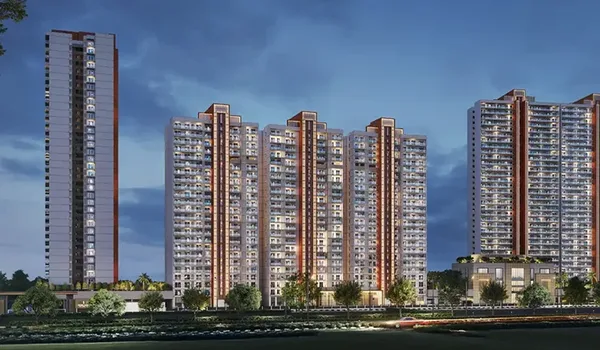
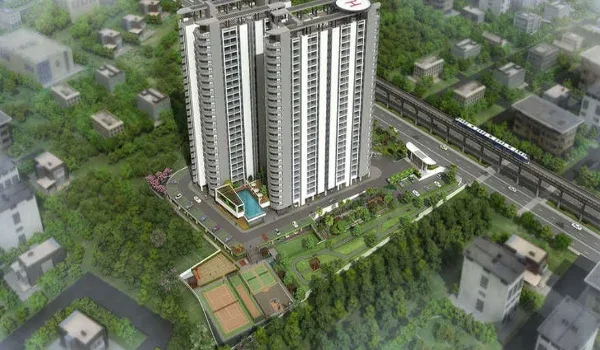
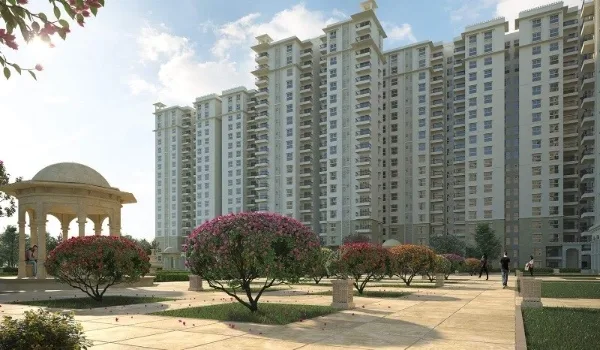
Prestige Bougainvillea Gardens, developed by Prestige Group, fits that brief — 1 BHK homes from ₹94.25 lakh on a ₹14,500 per sq ft base, possession targeted for December 2030, with UP RERA approval expected by November 2026. For an NRI who wants a low entry price, a credible developer and clean documentation to buy remotely, it is a natural pick on the corridor.
Frequently Asked Questions
1. Can an NRI buy an apartment in Sector 150 Noida?
Yes. Under FEMA rules an NRI or OCI cardholder can freely buy residential and commercial property in India, including an apartment in Sector 150 Noida. The only restriction is on agricultural land, farmhouses and plantation property, which an NRI cannot purchase. No special permission from the RBI is needed for a normal apartment.
2. How does an NRI pay for a Sector 150 Noida flat?
Payment must move through normal banking channels from an NRE, NRO or FCNR account, not in cash or by traveller's cheque. Most buyers fund the purchase from their NRE or NRO account or through an NRI home loan disbursed to the developer, so every rupee is traceable and compliant with FEMA.
3. Can NRIs get a home loan to buy in Sector 150 Noida?
Yes. Indian banks and housing finance companies offer NRI home loans, typically funding up to 75% to 80% of the property value, with the EMIs repaid from an NRE or NRO account. On a ₹1.45 crore 2 BHK that is a loan of about ₹1.16 crore. Confirm the current rate, tenure and documentation with your lender.
4. What taxes and TDS apply when an NRI buys property?
Stamp duty and registration are the same as for residents — 7% stamp duty in Noida, 6% for a woman buyer, plus 1% registration. When buying from a resident seller, 1% TDS applies where the value is above ₹50 lakh; buying from an NRI seller attracts a higher TDS, so the rate depends on who you buy from. Consult a chartered accountant for your case.
5. Can an NRI repatriate the money after selling the property?
Yes, within RBI limits. Sale proceeds of residential property bought with foreign funds can be repatriated for up to two such properties, and balances held in an NRO account can be remitted up to USD 1 million per financial year subject to taxes and documentation. Keep your purchase and payment records to support the repatriation.
6. Does an NRI need to be in India to complete the purchase?
No. An NRI can appoint a trusted person as Power of Attorney to sign and register the sale deed and handle formalities on their behalf, which is common when the buyer is overseas. A registered, project-specific POA plus valid passport, OCI or PIO proof and a PAN card are the core documents.
Conclusion
For an NRI, buying in Sector 150 Noida comes down to following the FEMA path cleanly: buy a permitted residential unit, pay through your NRE or NRO account, use an NRI home loan if it helps, handle the TDS and stamp duty correctly, and keep records for repatriation later. None of it is difficult once the sequence is clear, and a POA lets you close the deal without leaving home.
The asset then does the work. A pre-launch home at Prestige Bougainvillea Gardens, from ₹94.25 lakh at ₹14,500 per sq ft with a December 2030 possession, gives an overseas buyer a low entry price, a branded developer and RERA transparency on a corridor with real appreciation ahead. To plan your purchase, check the current price list and floor plans and book a site visit or a virtual walkthrough.
Prestige Bougainvillea Gardens Blog