Builder-Buyer Agreement & Legal Checklist for Sector 150 Noida Apartments 2026
Prices & RERA details verified against the UP RERA portal, June 2026.

The builder-buyer agreement is the contract your entire apartment purchase is enforced on — it fixes the price, the carpet area, the payment schedule, the committed possession date and the penalties on both sides. Before you sign for a home in Sector 150 Noida, the clauses that most protect you are the area basis, the possession date and delay penalty, the milestone-linked payment plan, and the project's RERA registration and title chain.
This legal checklist explains what a builder-buyer agreement is, the clauses worth reading closely, how RERA backs them up, and the due-diligence to do on a project like Prestige Bougainvillea Gardens before you commit. It complements the registration guide, which covers the sale deed executed later at possession.
Key Clauses to Check in a Sector 150 Builder-Buyer Agreement
| Clause | Why it matters | What to confirm |
|---|---|---|
| Carpet area & price | Fixes what you pay for and on what basis | RERA carpet area stated; price tied to it, not just super built-up |
| Possession date | The committed handover you can hold the builder to | A specific date, plus the grace period allowed |
| Delay penalty | Compensation if handover slips | Balanced against the late-payment penalty on the buyer |
| Payment plan | Ties your money to construction progress | Milestone-linked, not front-loaded ahead of work done |
| Cancellation & transfer | Your exit and resale rights | Refund terms, forfeiture amount, transfer charges |
Clause heads indicative, as of June 2026 — read the actual agreement and have it reviewed by a property lawyer before signing.
What a Builder-Buyer Agreement Is
A builder-buyer agreement (BBA) is the legally binding contract between the developer and the buyer for an under-construction apartment. It comes after the booking and allotment letter and before the sale deed, and it is the document that governs the transaction through the construction period. It records the consideration, the carpet area, the payment schedule, the possession commitment, and the obligations of each side — from the builder's duty to deliver on time to the buyer's duty to pay on schedule.
Because it is enforceable, the BBA is where your protection is either written in or missing. Treat it as the core legal document of your purchase, not a formality to sign quickly at the sales office.
Clauses That Protect the Buyer
A fair agreement carries a handful of clauses that decide how much protection you actually have:
- Carpet area and price basis: the price should be tied to the RERA carpet area, with the area stated clearly, not buried under super built-up figures.
- Committed possession date: a specific handover date, with any grace period spelled out rather than left open-ended.
- Delay penalty: compensation if the builder misses possession, ideally symmetrical with the interest you pay on late instalments.
- Milestone-linked payment plan: instalments tied to construction stages, so your money follows progress rather than being front-loaded.
- Cancellation and transfer terms: the refund and forfeiture position if you exit, and the charges to transfer the flat before possession.
Read the builder-delay penalty and the buyer late-payment penalty side by side. A balanced agreement treats both parties comparably; a heavily one-sided clause is worth negotiating or questioning before you sign.
How RERA Backs the Agreement
The Real Estate (Regulation and Development) Act gives the agreement real teeth. Under RERA, a registered project must sell on carpet area, disclose a possession date, deposit a share of collections in a dedicated project account, and follow the state's model agreement framework — and buyers can seek redress through the authority if commitments are broken. Verify the project's registration on the UP-RERA portal and check that the agreement aligns with those norms, because that registration is your primary statutory safeguard.
Prestige Bougainvillea Gardens is at the pre-launch stage with UP-RERA registration applied for; confirm the registration number is issued and quoted in your agreement before you sign. A quoted, verifiable RERA number is the single most important line to check on any under-construction purchase.
Title and Legal Due-Diligence
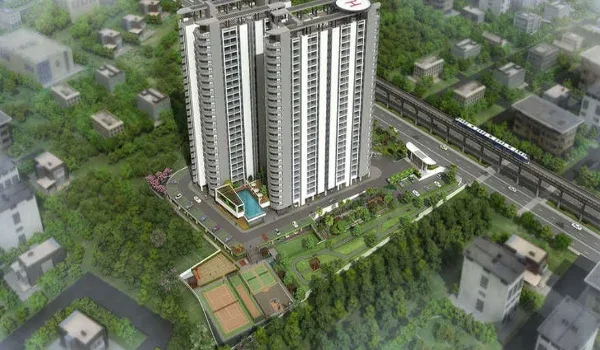
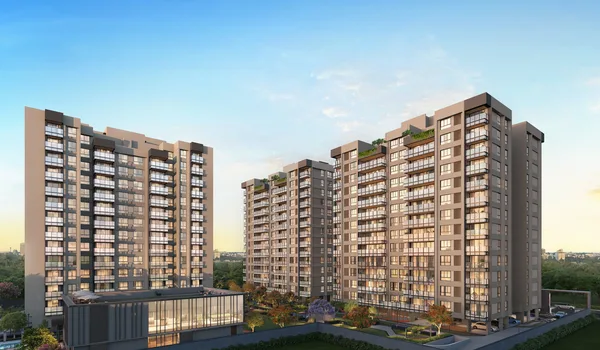
Beyond the agreement's own clauses, confirm what sits underneath it: the developer's title to the land and the project approvals. At Prestige Bougainvillea Gardens, developed by Prestige Group in Noida, the project spans roughly 1,150 apartments across 12 towers on a 15-acre plot with a targeted possession around December 2030. Check that the land title is clear and marketable, the sanctioned plan and approvals are in place, and the plot is free of encumbrances.
For an established developer the title chain is usually clean, but verifying it rather than assuming it is standard practice — ideally through a property lawyer who can read the mother deed, approvals and encumbrance certificate against the agreement you are being asked to sign.
Red Flags to Watch For
A few patterns in an agreement should prompt questions before you proceed. Watch for an open-ended possession clause with no firm date, a delay penalty far smaller than the interest charged on your late payments, a payment plan front-loaded ahead of construction, area defined only in super built-up terms without the RERA carpet figure, and steep or vaguely worded forfeiture on cancellation.
None of these automatically means a bad project, but each is a point to clarify in writing. The agreement is negotiable before signature and fixed after it, so raise every concern at the draft stage, not once you have signed.
Checklist: Before You Sign
A confident signature rests on a short set of confirmations:
- 1. Confirm area and price: the RERA carpet area is stated and the price is tied to it.
- 2. Check the possession clause: a specific date with a defined grace period and delay penalty.
- 3. Review the payment plan: instalments linked to construction milestones.
- 4. Verify RERA and title: a quoted UP-RERA number and a clear, marketable land title.
- 5. Have it reviewed: get a property lawyer to read the agreement before you sign.
Conclusion
The builder-buyer agreement is the legal backbone of a Sector 150 Noida apartment purchase, and reading it closely is the best protection you have: confirm the carpet area and price, the committed possession date and delay penalty, the milestone payment plan, and the RERA registration and title. For a pre-launch home like Prestige Bougainvillea Gardens, insist on a quoted UP-RERA number and a lawyer's review before signing. A fair, RERA-aligned agreement is what turns a booking into a secure purchase.
To review the agreement terms and RERA status for your chosen configuration at Prestige Bougainvillea Gardens, request the latest documents from the developer before you sign.
Frequently Asked Questions
1. What is a builder-buyer agreement?
A builder-buyer agreement (BBA) is the legally binding contract between the developer and the buyer that governs an under-construction apartment purchase. It records the price, the carpet area, the payment schedule, the committed possession date, delay penalties and the rights and obligations of both sides. It is the document your purchase is enforced on, so every clause matters.
2. Which clauses matter most in a builder-buyer agreement?
The clauses that protect you most are the carpet area and price basis, the committed possession date, the delay-penalty clause, the payment schedule tied to construction milestones, and the cancellation and transfer terms. Read the penalty for the builder's delay against the penalty on the buyer for late payment — they should be balanced, not one-sided.
3. Does RERA protect a builder-buyer agreement?
Yes. Under RERA, a registered project must sell on carpet area, disclose the possession date, and follow the state's model agreement framework, and buyers can seek redress through the RERA authority. Verify the project's UP-RERA registration and check that the agreement aligns with RERA before you sign, because that registration is your primary legal safeguard.
4. Is the builder-buyer agreement the same as the sale deed?
No. The builder-buyer agreement governs the purchase during construction and sets out the terms; the sale deed is the registered instrument that transfers legal title, usually executed at or near possession. You sign the BBA early and register the sale deed later. Both are essential, and the sale deed should match the terms agreed in the BBA.
5. What legal due-diligence should I do before signing?
Verify the developer's title to the land, the approved plan and approvals, and the project's RERA registration. Check that the seller has clear, marketable title and that the land is free of encumbrances. For a large developer the title chain is usually clean, but confirming it — ideally through a property lawyer — is standard practice before signing.
6. Should a lawyer review my builder-buyer agreement?
Having a property lawyer review the agreement is worth the cost on a purchase this size. A lawyer checks that the carpet area, possession date, penalties and payment terms are fair and RERA-compliant, and flags one-sided clauses before you commit. It is a small fee against the value of the transaction and the years of ownership that follow.
Prestige Bougainvillea Gardens Blog