Property Registration Process Guide for Sector 150 Noida Apartments 2026
Prices & RERA details verified against the UP RERA portal, June 2026.

Registering an apartment is the legal step that makes you its recorded owner — the sale deed is stamped, executed and entered in the sub-registrar's records under the Registration Act, 1908. For a home in Sector 150 Noida, the process runs in a clear sequence: verify the title and the project's RERA status, pay stamp duty by e-stamp, book a sub-registrar slot, execute the deed in person with witnesses and biometrics, and then apply for mutation to update the ownership record.
This guide walks through each stage, the documents you need, and what changes for an under-construction flat like one at Prestige Bougainvillea Gardens. It focuses on the registration procedure itself; the stamp duty and registration-fee rates are set out in our dedicated stamp duty and registration charges guide.
Property Registration Steps for a Sector 150 Apartment
| Stage | What happens | What you need |
|---|---|---|
| 1. Due diligence | Verify title chain, approvals and UP-RERA registration | Title documents, RERA registration number, approvals |
| 2. Stamp duty | Calculate and pay stamp duty; buy the e-stamp online | Agreement value, buyer details, e-stamp payment |
| 3. Deed & booking | Draft the sale deed; book the sub-registrar appointment | Sale deed draft, registration fee, appointment slot |
| 4. Registration | Execute the deed in person with witnesses and biometrics | Original IDs, PAN, photos, two witnesses |
| 5. Mutation | Update the ownership record (dakhil kharij) post-registration | Registered deed copy, mutation application |
Steps indicative, as of June 2026 — confirm the current procedure and fees on the UP stamp and registration portal and with the developer.
What Registration Actually Does
Registration is the legal recording of your sale deed with the sub-registrar of the area in which the property sits. Under the Registration Act, 1908, a sale of immovable property must be registered for title to pass — an unregistered sale deed does not make you the legal owner, however much you have paid. Registration puts the transaction on the public record, protects you against competing claims, and is the document trail every future buyer, bank or authority will rely on.
Because it is the step that converts payment into ownership, registration is worth doing carefully rather than rushing at the counter. The groundwork — checking the title and paying the correct stamp duty — is what makes the appointment day itself quick and clean.
Documents You Need to Register
The exact file depends on whether the flat is ready or under construction, but the core set is consistent. Keep originals and photocopies of each:
- Sale deed: the executed deed on the value-appropriate stamp, drafted to match the agreement.
- Stamp duty and fee proof: the paid e-stamp and the registration-fee receipt.
- Identity and PAN: ID and address proof plus PAN cards of both buyer and seller.
- Photographs: recent passport-size photos of the parties.
- Title and approval chain: the builder's title documents, sanctioned plan and completion or occupancy proof where applicable.
- Project agreements: for an under-construction flat, the builder-buyer agreement and allotment letter.
Having a complete, ordered file avoids the most common cause of a wasted appointment — a missing proof that forces a re-booking.
Step by Step at the Sub-Registrar
Once due diligence is done and stamp duty is paid, the registration itself is a defined sequence. You book an appointment at the sub-registrar office that covers Sector 150, appear in person on the day with the seller and two witnesses, and present the sale deed. The parties sign the deed, biometrics and photographs are captured, and the sub-registrar records the document and returns a registration receipt. The registered deed, once digitised, is issued back to you as the owner's copy.
Both buyer and seller — or their legally authorised representatives holding a valid power of attorney — must be present. Plan the appointment when all signatories can attend, because the biometric step cannot be delegated informally.
E-Stamping and Online Booking
Uttar Pradesh runs registration through an online stamp and registration system, so part of the process is digital. You calculate stamp duty on the applicable value, pay it and generate the e-stamp online, and book the sub-registrar appointment through the portal. The physical steps — presence, signatures and biometric verification — still happen at the office on the appointment day, so treat the online stage as preparation that makes the in-person visit fast.
Before you pay, cross-check the property's circle rate against the agreement value, because stamp duty is charged on the higher of the two. Getting this right at the e-stamp stage avoids an under-stamping problem surfacing later.
Registration Charges in Brief
In Uttar Pradesh the registration charge is 1% of the transaction value, paid on top of stamp duty. Stamp duty is the larger levy, and its rates, the women-buyer rebate and worked examples are covered in the dedicated stamp duty guide rather than repeated here. Budget both together as your one-time registration outgo, separate from recurring society costs.
Confirm both figures against the current government-notified rates before your appointment — levies are revised from time to time, and the number that matters is the one in force on your registration date, not an older published figure.
Registering an Under-Construction Apartment
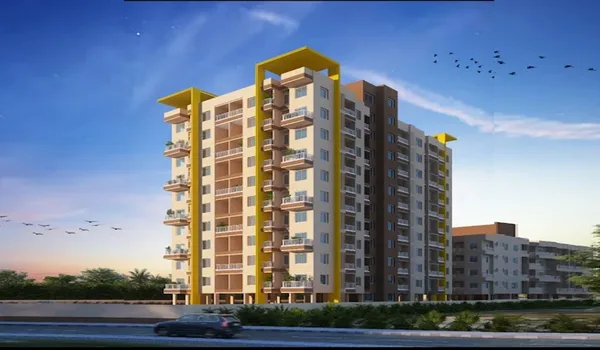
A pre-launch or under-construction home changes the timing, not the principle. At Prestige Bougainvillea Gardens, developed by Prestige Group in Noida, the transaction is first governed by the builder-buyer agreement and allotment letter, with the sale deed typically executed and registered at or near possession. Before you commit, verify the project's registration on the UP-RERA portal so you know the development and its sale documents are compliant.
Because registration for such a home is a future step, plan the stamp duty and registration funds into your possession-stage budget rather than the booking stage. Confirm the expected registration timing with the developer so there is no surprise on the outgo when the deed is ready to execute.
After Registration: Mutation and Records
Registration transfers title, but one step remains: mutation, known as dakhil kharij, which updates the ownership entry in the local authority and municipal records. Until mutation is done, property tax and utility bills may still name the previous owner. Apply for it soon after registration, with a copy of the registered deed, so that tax, maintenance and utility records are issued in your name from the start.
Keep the registered sale deed, the mutation acknowledgement and the payment receipts together — this set is your proof of clear ownership and is exactly what a bank, buyer or authority will ask to see in future.
Checklist: Register With Confidence
A clean registration comes down to preparing in the right order:
- 1. Do due diligence first: verify the title chain, approvals and the project's UP-RERA registration.
- 2. Pay the correct stamp duty: compute on the higher of circle rate and agreement value, then buy the e-stamp.
- 3. Prepare a complete file: deed, IDs, PAN, photos, witnesses and project agreements.
- 4. Register in person: attend the sub-registrar appointment for signatures and biometrics.
- 5. Complete mutation: update the ownership record so tax and utility bills come in your name.
Conclusion
Property registration is the step that turns your payment into legal ownership of a Sector 150 Noida apartment, and it rewards preparation: verify title and RERA status, pay the right stamp duty, register in person with a complete file, and finish with mutation. For an under-construction home like Prestige Bougainvillea Gardens the deed is registered nearer possession, so plan the outgo for that stage. Handled in order, registration is a straightforward, one-time formality rather than a hurdle.
To confirm the expected registration timing and the sale-document process for your chosen configuration at Prestige Bougainvillea Gardens, request the latest details from the developer before you book.
Frequently Asked Questions
1. What is property registration and why is it mandatory?
Property registration is the legal recording of the sale deed with the sub-registrar under the Registration Act, 1908. It is mandatory for any sale of immovable property above a nominal value because an unregistered sale deed does not transfer clear legal title. Registration makes you the recorded owner and gives the transaction legal standing.
2. What documents do I need to register an apartment in Noida?
You typically need the sale deed on stamp paper, the paid e-stamp and registration fee receipt, ID and address proof of buyer and seller, PAN cards, passport-size photographs, and the chain of title and approval documents from the builder. For an under-construction flat the builder-buyer agreement and allotment letter also form part of the file.
3. How much are registration charges in Noida?
In Uttar Pradesh the registration charge is 1% of the transaction value, payable on top of stamp duty. Stamp duty itself is the larger levy and is covered in detail in our stamp duty and registration charges guide. Confirm both against the current government-notified rates before you budget.
4. Can I register a property online in Uttar Pradesh?
Uttar Pradesh allows online e-stamping and online appointment booking through the state stamp and registration portal, but the deed itself is executed and biometrically verified in person at the sub-registrar office. So the process is part-online (payment and booking) and part-physical (presence, signatures and biometrics on the appointment day).
5. What is mutation and do I need it after registration?
Mutation, called dakhil kharij, updates the ownership record in the municipal or authority register after the sale is registered. Registration transfers title; mutation updates the tax and utility records to your name. Apply for it soon after registration so property tax and maintenance bills are issued correctly in your name.
6. When is an under-construction apartment registered?
An under-construction apartment like one at Prestige Bougainvillea Gardens is usually registered at or near possession, when the sale deed is executed. Before that, the builder-buyer agreement and allotment letter govern the transaction. Confirm the expected registration timing with the developer so you can plan the stamp duty and registration outgo.
Prestige Bougainvillea Gardens Blog