Property Tax Guide for Noida Apartments 2026: How Much and How to Pay
Prices & RERA details verified against the UP RERA portal, July 2026.

Property tax is one of the recurring costs most buyers in Sector 150 Noida underestimate or ignore entirely until they receive an arrears demand at possession. Unlike stamp duty and registration (one-time at purchase), property tax is an annual liability that begins from the date of allotment, not from the date you move in. This guide explains who collects property tax for Noida apartments, how it is calculated using the Unit Area Value (UAV) method, when liability begins for under-construction buyers, where and how to pay online, what exemptions apply, and how property tax factors into rental yield for investors.
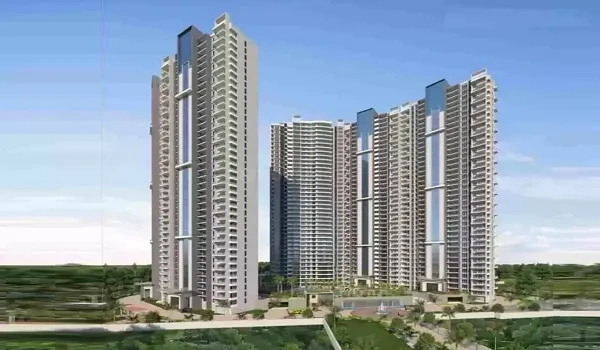
Prestige Bougainvillea Gardens is a pre-launch gated development by Prestige Group in Sector 150. For a detailed breakdown of all the other statutory costs at purchase, see the Stamp Duty & Registration Charges guide. For how property tax and other running costs affect your net return as a landlord, see the Rental Yield & ROI Guide.
Property Tax Quick Reference for Noida Apartments 2026
| Item | Detail |
|---|---|
| Levying authority | Noida Authority (not MCD) |
| Calculation method | Unit Area Value (UAV) method |
| Rate basis | Carpet area × UAV rate (₹ per sq ft/year) × multipliers × tax rate |
| Typical annual liability | Low relative to market value; often ₹800–3,000 p.a. for a 2 BHK (indicative) |
| Payment portal | Noida Authority official website (House Tax section) |
| Payment modes | UPI, net banking, debit/credit card; also offline at sector offices |
| Late payment penalty | Approx. 1.5% per month on unpaid amount |
| Senior citizen rebate | Partial; confirm current rate on Noida Authority portal |
| Early payment rebate | 5–15% depending on scheme; check current year notification |
UAV rates and tax multipliers are revised by the Noida Authority periodically. Confirm current figures on the official Noida Authority portal before estimating your liability.
Who Collects Property Tax for Sector 150 Noida Apartments?
Property tax for all properties in Sector 150 is collected by the Noida Authority (New Okhla Industrial Development Authority), not by MCD (Municipal Corporation of Delhi) or any nagar palika. Noida Authority is the civic body responsible for the entire Noida planning area, covering all sectors including Sector 150. The rules, UAV rates, multipliers, payment process and exemptions are all set by the Noida Authority, and are distinct from Delhi property tax rules. Buyers familiar with MCD's system should not assume the same rates or processes apply in Noida.
How Property Tax Is Calculated for a Noida Apartment
The Unit Area Value (UAV) method
Noida Authority uses the Unit Area Value method to calculate annual property tax. The formula is:
Annual Assessed Value = Carpet Area (sq ft) × UAV Rate (₹/sq ft/year) × Applicable Multipliers
The UAV rate per sq ft per year is set by the Noida Authority for different property categories. Sector 150, as a planned residential zone on the Noida–Greater Noida Expressway, typically falls in higher-rated categories. Noida Authority revises UAV rates periodically; use the self-assessment tool on the Noida Authority official website to generate your specific assessed value using the current rate.
Multipliers that adjust the assessed value
The assessed value is adjusted by multipliers before the tax rate is applied. Common multipliers include:
- Construction age: Newer buildings may carry a higher multiplier than older ones in some frameworks
- Usage type: Residential vs commercial; rates differ substantially
- Occupancy status: Self-occupied residential properties are generally assessed at a lower multiplier than rented properties
- Floor level: Some UAV frameworks apply a floor-level adjustment, particularly for ground floor vs upper floors
Property tax is then calculated as a percentage of the adjusted annual assessed value, per the tax rate Noida Authority sets in its annual demand notice.
Illustrative calculation for a Sector 150 2 BHK
For a 2 BHK with approximately 1,050 sq ft carpet area in Sector 150 (illustrative figures only):
- Carpet area: 1,050 sq ft
- UAV rate (illustrative): ₹5 per sq ft per year for the applicable category
- Annual assessed value: 1,050 × ₹5 = ₹5,250
- Property tax at (illustrative) 15% of assessed value: ₹787 per year
The above is for illustration only. The actual UAV rate, applicable multipliers and tax percentage must be confirmed using the Noida Authority's online self-assessment portal for your specific unit. Actual liability for a Sector 150 apartment is typically in the ₹800–3,000 p.a. range depending on carpet area and category.
Illustrative figures only. Use the Noida Authority self-assessment portal for an accurate calculation for your unit.
When Does Property Tax Start for an Under-Construction Apartment?
This is the most common surprise for Sector 150 buyers purchasing under-construction projects. Property tax liability in Noida begins from the date of allotment, not from possession or from when you move in. A buyer who receives an Allotment Letter for a Sector 150 project in 2026 with anticipated possession in December 2030 is liable for property tax from 2026 onwards, even though the apartment will not be occupied for another 4–5 years.
In practice, many buyers are unaware of this and receive an arrears demand at possession covering the full construction period, along with penalty for non-payment. The solution is simple: after receiving your Allotment Letter, register the property on the Noida Authority portal and check your self-assessment within 3–6 months of allotment. Annual tax liability for an unoccupied under-construction unit is typically very low, so the total during the construction period is manageable if paid annually.
How and Where to Pay Property Tax in Noida
Online via the Noida Authority portal
The Noida Authority operates an online House Tax (property tax) section on its official website. The process involves: searching for your property by plot or unit number, generating a self-assessment or demand notice, verifying the assessed value, and paying by UPI, net banking or debit/credit card. A digital receipt is issued immediately on payment. This is the recommended method as it is faster, creates a clear digital record, and the receipt is available for download at any time.
Offline at Noida Authority sector offices
Property tax can also be paid in person at the Noida Authority sector office. Carry your Allotment Letter (or sale deed for a completed property), any previous property tax receipts, and a copy of your identity document. Request a stamped receipt at the counter. Keep all receipts permanently, as they serve as evidence of nil arrears at the time of resale and are required for the deduction on rental income in your income tax return.
Late Payment Penalty
Non-payment or delayed payment of Noida property tax attracts a penalty of approximately 1.5% per month on the outstanding amount. For a buyer unaware of the allotment-date liability, arrears covering 4–5 years of construction can accumulate along with compounding penalty, making the demand at possession significantly higher than expected. Proactively registering and paying from the allotment year eliminates this risk entirely. If you have inherited arrears on a resale purchase, negotiate settlement of all arrears by the seller before completing registration, and confirm nil balance on the Noida Authority portal.
Exemptions and Rebates
Senior citizen exemption
Noida Authority provides a partial property tax rebate for senior citizen property owners. The current rate and eligibility criteria are published on the Noida Authority's official portal and are subject to revision each year. If the apartment is registered in a senior citizen's name (or jointly with a senior citizen as first owner), check the applicable rebate at the time of self-assessment before paying.
Timely payment rebate
Paying the full annual property tax before the Noida Authority's due date (typically April–May of the financial year) qualifies for an early-payment rebate of 5–15%, depending on the scheme in force. This makes annual upfront payment more cost-efficient than partial or late payment. Check the current year's notification on the Noida Authority website before making payment to confirm the rebate percentage and deadline.
Self-occupied residential status
Self-occupied residential properties are generally assessed at a lower rate in many UAV frameworks than rented or commercial properties. If your Sector 150 apartment is your primary residence, ensure the Noida Authority records reflect self-occupied status. If you later rent it out, update the occupancy status accordingly, as an incorrect status can attract a revised demand.
Property Tax for Rented Apartments in Sector 150
If you rent out your Sector 150 apartment, property tax is still assessed the same way on the property itself. However, property tax paid to the Noida Authority is deductible from the gross annual value of the property when computing "Income from House Property" in your income tax return. In simple terms: gross rent received minus municipal taxes paid equals the net annual value, from which you get a further 30% standard deduction before computing taxable income from the property. Keep your property tax receipts carefully if renting out, as the deduction reduces your tax payable on rental income.
Impact on Rental Yield and Investment Returns
For a Sector 150 apartment at ₹1.45 crore with a typical rental of ₹18,000–22,000 per month (₹2.16–2.64 lakh per year), annual property tax is likely to be ₹800–3,000, representing less than 1.5% of gross annual rental income. The drag on yield is negligible. For a gross rental yield of approximately 1.5–2%, property tax reduces net yield by at most 0.02–0.03 percentage points, making it a minor line item in investor return calculations. Maintenance charges, vacancy periods and loan repayments have far larger impacts on net yield than property tax. That said, always account for it in your investment model to avoid underestimating total annual costs.
Buyer Checklist for Property Tax
- Register your property on the Noida Authority portal within 3–6 months of receiving your Allotment Letter
- Run a self-assessment to understand your annual liability from the allotment year
- Pay property tax annually before the due date to qualify for the timely-payment rebate
- If buying resale: ask the seller for all property tax receipts up to the current year and confirm nil arrears on the Noida Authority portal before completing registration
- Check whether senior citizen, self-occupied or timely-payment rebates apply to your specific situation
- Keep all property tax receipts permanently: they are needed for rental income deductions, resale due diligence and as evidence of ownership history
Frequently Asked Questions
1. Who collects property tax for Sector 150 Noida apartments?
The Noida Authority collects property tax for Sector 150; not MCD. Payment is via the Noida Authority portal or in person at sector offices.
2. How is property tax calculated for a Sector 150 apartment?
Carpet area × UAV rate (₹ per sq ft per year, set by Noida Authority) × multipliers (age, usage, occupancy) × applicable tax rate. Confirm current UAV rates on the Noida Authority portal.
3. When do I start paying property tax for an under-construction Noida apartment?
Property tax liability begins from the date of allotment, not possession. Check the Noida Authority portal soon after receiving your Allotment Letter to avoid arrears building up.
4. Is there an online portal to pay Noida property tax?
Yes, the Noida Authority official website has an online House Tax section where you can generate a demand notice and pay by UPI, net banking or card.
5. Are there any exemptions on property tax in Noida?
Yes, partial rebates for senior citizens, timely payment (5–15% early-payment discount) and self-occupied residential status. Confirm current rates on the Noida Authority portal.
6. How much is the penalty for late property tax payment in Noida?
Approximately 1.5% per month on the outstanding amount. Check your assessment soon after allotment to avoid arrears accumulating through the construction period.
Prestige Bougainvillea Gardens Blog