Green & Sustainable Living Guide for Sector 150 Noida 2026
Research based on Noida Authority building norms and UP-RERA project disclosures, June 2026.

Sustainability has moved from a marketing label to a genuine buying criterion for apartment seekers in Sector 150 Noida. The sector is one of the few places in the NCR where low-density planning, high open-space ratios and green infrastructure are built into the Noida Authority's norms rather than left to individual developer promises. Whether you care about rainwater harvesting, EV charging, energy costs or simply the quality of air and greenery around your home, Sector 150's planning gives it a structural head start over denser residential sectors on the same corridor.
This guide explains what green and sustainable living means in practice for a Sector 150 apartment buyer in 2026, what features to verify before signing, and how a project like Prestige Bougainvillea Gardens fits within this picture. For a broader look at the facilities and amenity quality available in Sector 150 projects, see our Amenities & Clubhouse Guide.
Sustainable Features to Look for in Sector 150 Noida Apartments — 2026
| Feature | What to Look For | Buyer Tip |
|---|---|---|
| Rainwater harvesting | Harvesting pits or tanks sized for total plot area | Ask for capacity spec and confirm it appears in the RERA project disclosure |
| Solar power | Common area lighting, streetlights or clubhouse power sourced from solar | Confirm % coverage and whether net-metering is arranged with the local discom |
| Sewage Treatment Plant (STP) | On-site STP sized for total unit count; treated water reused for landscaping | Verify STP capacity and treated-water reuse plan in the project spec sheet |
| EV charging | Basement or podium EV points per parking bay | Distinguish conduit provision from an active charger — confirm in the BBA |
| Open space ratio | ~80% open space in low-density Sector 150 projects | Cross-check RERA-registered site plan against the marketing brochure claim |
| IGBC / GRIHA rating | Pre-certification or registration with the rating body | Ask for the certification reference number and verify on the IGBC or GRIHA website |
Checklist indicative — confirm each feature with the developer and in RERA filings before booking.
Sector 150 as Noida's Planned Green Sector
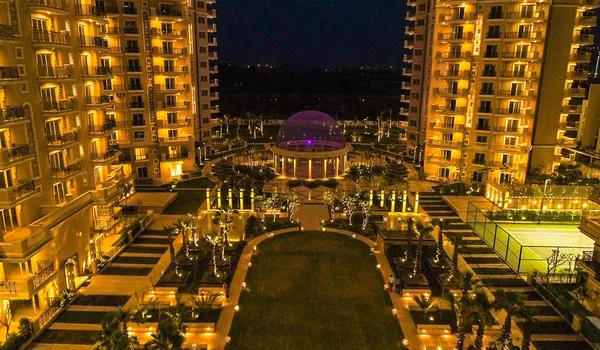
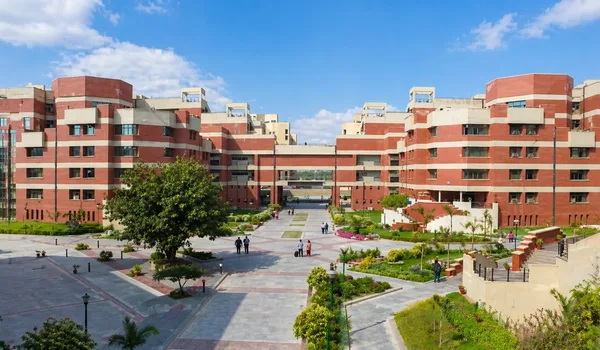
The Noida Authority designated Sector 150 as a low-density residential sector and sports city, with planning norms that reserve approximately 80% of total land area for open space, landscaping, sports facilities and greenery. This makes it structurally different from older, denser sectors in Noida where ground coverage ratios are significantly higher.
The result is a residential environment with more trees, more breathing room between towers, lower ambient noise and a reduced heat-island effect at the sector level. Sector 150's identity as a green sector is grounded in this planning norm rather than just developer branding — though the extent to which individual projects meet green standards depends on the developer's specific design choices and any third-party certification they pursue.
Rainwater Harvesting and Water Management
Rainwater harvesting is mandatory for large residential projects in Noida under the Noida Authority's building regulations, and the provision must be disclosed in documents registered with the UP-RERA portal. In practice, projects include one or more harvesting pits or tanks sized to collect runoff from the total plot area, with the goal of recharging local groundwater during the monsoon season.
Some larger projects also incorporate dual-plumbing schemes where treated wastewater is recycled for toilet flushing and landscape irrigation. When evaluating a project, ask the developer for the harvesting pit capacity relative to plot area, and confirm that the provision appears in the RERA-registered project drawings — not only in the sales brochure.
Solar Power and Energy Efficiency
Solar panels powering common areas — streetlights, podium lighting and clubhouse common areas — have become a feature of most larger 2025–2026 launches in Sector 150. The benefit for residents is a direct reduction in common area electricity costs, which feeds into lower monthly maintenance charges over the life of the project.
When evaluating this feature, ask the developer what percentage of common area power consumption is sourced from solar. Also check whether the project has a net-metering arrangement with the local electricity discom — this allows excess solar generation to be offset against the project's grid bill and reduces ongoing costs further. A project that lists solar as a feature without these specifics may have a symbolic rather than substantive provision.
EV Charging Infrastructure
Electric vehicle penetration in NCR is rising steadily, and 2026 launches in Sector 150 typically include some level of EV charging provision in basement or podium parking areas. However, buyers need to understand a critical distinction: conduit provision — a dedicated bay with wiring in place, ready for a charger to be fitted — is not the same as an active charger that works on possession day.
Ask the developer whether EV charging is provision-only or includes active charging equipment. Confirm how many EV points are planned relative to total parking bays, which BHK types are covered and whether a charger carries an additional cost separate from the base flat price. This clause should appear in the builder-buyer agreement — if it does not, request a written addendum before signing.
Sewage Treatment Plant and Waste Management
An on-site sewage treatment plant (STP) is required for large residential projects under both Noida Authority norms and RERA regulations. A functioning STP treats domestic wastewater to a standard suitable for non-potable reuse — landscape irrigation, podium washing and toilet flushing — which significantly reduces the project's fresh-water demand once occupied.
When reviewing project specifications, confirm the STP's treatment capacity in kilolitres per day against the expected total occupancy. Solid waste management — segregated dry and wet waste collection with composting for organic waste — is a related feature that better-planned projects include from design. Ask whether this is managed by a dedicated agency contracted by the developer or left to the residents' society post-possession.
IGBC and GRIHA Certifications — What They Mean for Buyers
IGBC (Indian Green Building Council) and GRIHA (Green Rating for Integrated Habitat Assessment) are the two principal green building certification frameworks used in Indian residential projects. IGBC is based on LEED principles and evaluates energy efficiency, water conservation, site ecology and indoor environmental quality. GRIHA is a nationally developed framework aligned with Indian climatic conditions and covers similar parameters with a domestic lens.
A certified project has completed a third-party post-construction audit and holds a rating — typically Certified, Silver, Gold or Platinum for IGBC. A pre-registered or pre-certified project has applied and received a preliminary assessment but has not yet been audited after construction. In 2026, several Sector 150 developers have registered with GRIHA or IGBC as part of their project positioning. Ask for the specific certification status and reference number, then verify it independently on the IGBC or GRIHA website before committing to a booking.
Open Space as Sustainability's Foundation
The most tangible sustainable feature of Sector 150 is its planning-mandated open space ratio. In a project where approximately 80% of the plot is landscaped and only 20% is built upon, residents get direct daily benefits: more natural light reaching every apartment, fewer buildings obstructing air flow, lower inter-tower noise levels and significantly more tree cover than in comparable denser sectors on the same Expressway.
This open-space ratio also reduces the project's contribution to the urban heat-island effect — a meaningful quality-of-life factor in a city like Noida where summer temperatures are high. For buyers comparing Sector 150 with other Noida sectors, this planning-level sustainability advantage holds regardless of which individual project you choose within the sector.
What to Ask Before Buying
- What is the rainwater harvesting pit capacity relative to total plot area, and is it in the RERA filing?
- What percentage of common area power is solar-sourced, and is there a net-metering arrangement?
- What is the STP capacity in kilolitres per day relative to total unit count?
- Is EV charging provision-only (conduit) or active equipment? How many bays, and at what cost?
- Has the project registered with IGBC or GRIHA, and what is the current certification stage?
- What is the verified open space ratio on the RERA-registered site plan?
- How is solid waste managed post-possession — developer agency or society responsibility?
Where Prestige Bougainvillea Gardens Fits
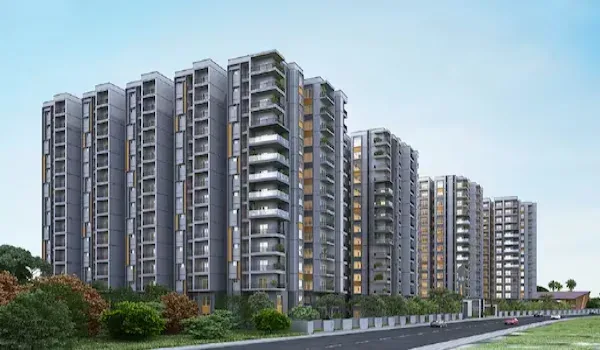
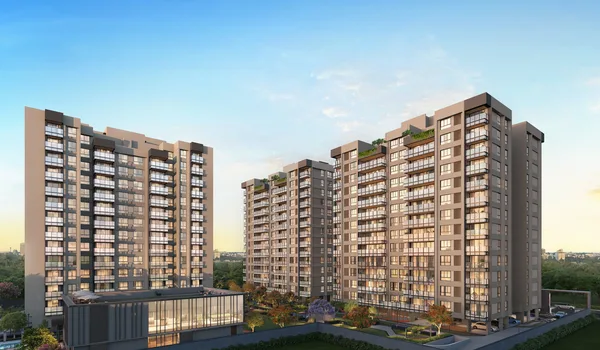
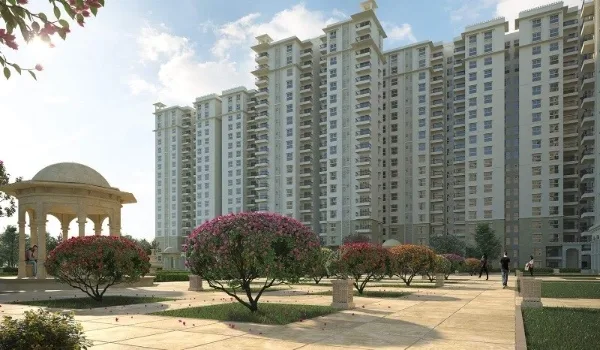
Prestige Bougainvillea Gardens is a pre-launch gated development in Sector 150, built by Prestige Group, spanning roughly 1,150 apartments across 12 towers on a 15-acre plot with approximately 80% open space and a 50,000 sq ft clubhouse. Verified specifications include an on-site sewage treatment plant and 100% DG backup — both of which are baseline sustainability features for a project of this scale.
Its UP-RERA registration is at the applied stage for a pre-launch project — confirm the issued number on the UP-RERA portal before you commit. For specifics on EV charging provision, rainwater harvesting capacity, solar features and any IGBC or GRIHA certification status, request the latest project specifications and RERA disclosures from the developer, as these details are confirmed at the time of formal RERA registration and may be updated before possession.
Conclusion
Sector 150's sustainability case starts with the Noida Authority's planning — 80% open space, low density and mandatory green infrastructure — and is extended by individual developer choices on solar, EV charging, STP capacity and green certifications. Before booking, verify key features against RERA filings and the builder-buyer agreement rather than relying on brochure claims. A project like Prestige Bougainvillea Gardens, on a 15-acre, 80% open-space campus, is a natural fit for buyers who place environmental quality and long-term liveability alongside price and connectivity in their decision.
To review Prestige Bougainvillea Gardens' full specification and current RERA filing, request the project details from the developer.
Frequently Asked Questions
1. Why is Sector 150 Noida called a green sector?
Sector 150 is designated by the Noida Authority as a low-density sector where approximately 80% of the area is reserved for open space, landscaping, sports facilities and greenery. The sector was planned to avoid the high-density character of older Noida sectors, which is why it is often called Noida's green sector or sports city. This open-space ratio reduces heat-island effect, improves air circulation and supports a quieter, greener residential environment compared with more densely developed sectors.
2. Is rainwater harvesting mandatory in new apartments in Noida in 2026?
Yes. The Noida Authority mandates rainwater harvesting for all large residential projects, and the provision must be disclosed in documents registered with UP-RERA. Projects in Sector 150 include harvesting pits or tanks sized for the plot area, with provisions to recharge groundwater during the monsoon season. Buyers should confirm the harvesting capacity specification with the developer and check that it appears in the RERA-registered project disclosures before booking.
3. Do Sector 150 apartments come with EV charging points?
Many 2025–2026 launches in Sector 150 include provision for EV charging points in basement or podium parking areas. However, there is a meaningful difference between conduit provision — the wiring and bay are ready — and an active charger being installed. Buyers should ask the developer specifically whether EV charging is provision-only or includes active equipment, confirm the number of points relative to total parking bays, and check this clause in the builder-buyer agreement before signing.
4. What is the difference between IGBC and GRIHA green ratings?
IGBC (Indian Green Building Council) is based on LEED principles and evaluates energy efficiency, water conservation, site planning and indoor environmental quality. GRIHA (Green Rating for Integrated Habitat Assessment) is a nationally developed system aligned with Indian climate conditions covering similar parameters. Both require third-party audits — a certified project has been assessed; a pre-registered project has applied but not yet completed the audit. Ask the developer for the certification reference number and verify it independently on the IGBC or GRIHA website before booking.
5. How does an 80% open space ratio benefit residents?
An 80% open space ratio means only 20% of project land is built upon — the rest is landscaping, gardens, sports facilities, walking paths and common areas. For residents, this means better air quality, lower ambient temperatures within the complex, more natural light reaching each apartment and a quieter, less congested living environment. It also reduces the urban heat-island effect at the sector level and is one of Sector 150's defining characteristics compared with more densely developed Noida sectors.
6. What sustainable features does Prestige Bougainvillea Gardens offer?
Prestige Bougainvillea Gardens in Sector 150 is a pre-launch project by Prestige Group on a 15-acre plot with approximately 80% open space, around 1,150 apartments across 12 towers and a 50,000 sq ft clubhouse. Verified specifications include an on-site sewage treatment plant and 100% DG backup. For EV charging provision, rainwater harvesting capacity, solar features and IGBC or GRIHA certification status, buyers should request the latest project specifications and RERA disclosures directly from the developer, as these are confirmed at the time of formal RERA registration.
Prestige Bougainvillea Gardens Blog